


The Bodonou site
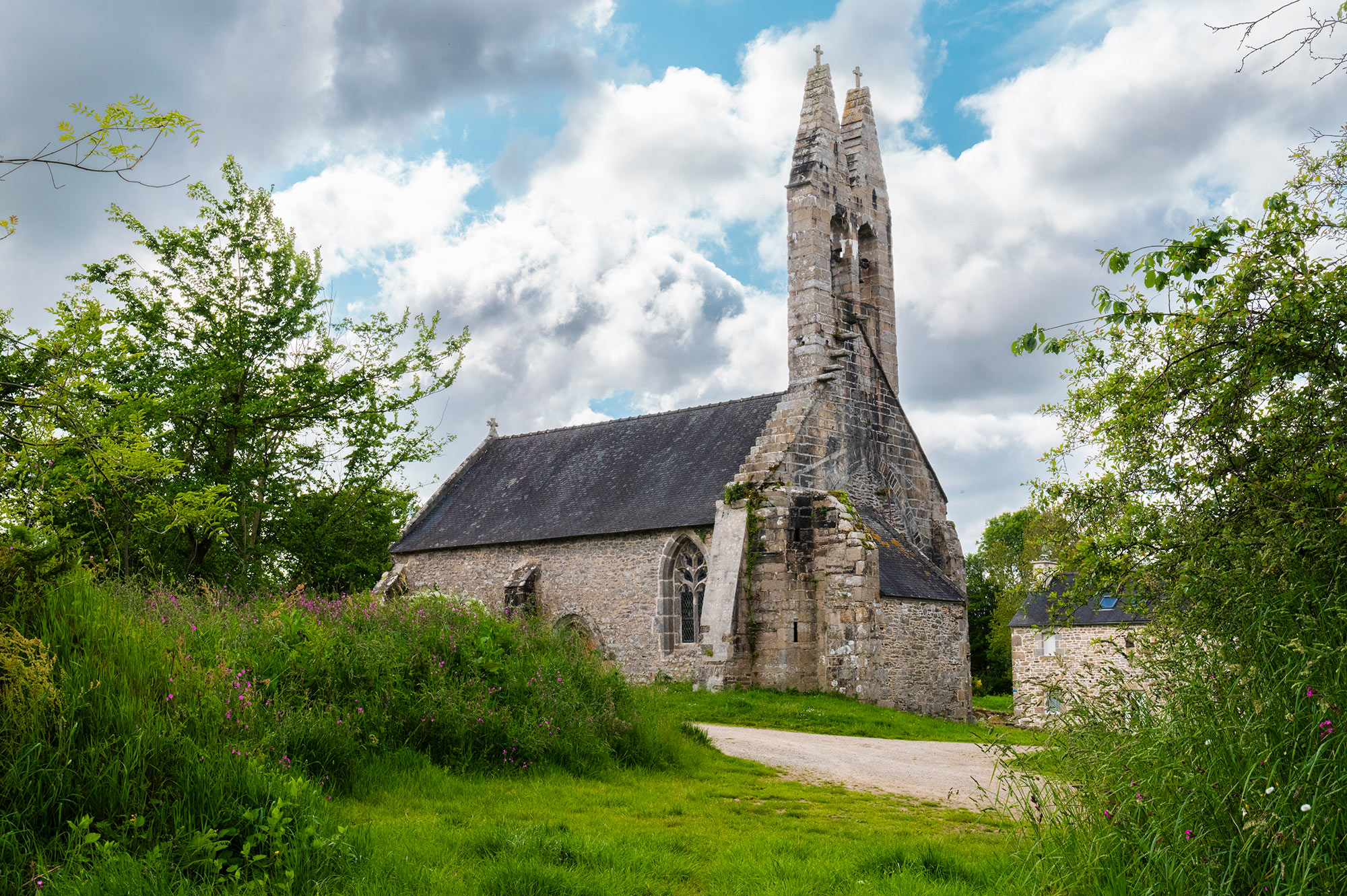
To the north-east of the municipality stands one of its oldest heritage features, nestling in the heart of a remarkable natural area: the Bodonou chapel.
A 16th-century chapel
In the middle of a marshy area between Guilers, Saint-Renan and Plouzané, the Bodonoù chapel, with its distinctive architecture, is a unique heritage site. The chapel was probably built at the beginning of the 16th century, when it was twice as long as it is today, with a double-spire steeple towering over the middle of the building. By the early 19th century, the chapel was falling into ruin. An 1823 restoration halved its size, with the bell tower rising above the choir, which itself backs onto the majestic central arch of the old chapel, giving the whole structure a unique look for the region.
Inside, a large statue of the Virgin and Child in polychrome Kersanton stone, listed as a historic monument, and five smaller statues in polychrome wood dating from the 16th and 17th centuries, are important elements of Plouzané’s heritage.
The « Pardon de Bodonoù », celebrated for 500 years on the Sunday following 8 September, used to mark the end of the harvest. People came on foot from Plouzané, but also from Saint-Renan and Guilers, to attend mass in the morning, followed by the procession and vespers in the afternoon. In the 1970s, a Breton festival was also organised on the Saturday evening, ending with a fest-noz. Today, mass is still celebrated in the open air. It’s a not-to-be-missed event for Christians, but also a convivial event for all the people of Plouzané.
 Practical info
The Bodonoù chapel is open every Sunday and public holidays from 2pm to 5pm in winter and from 2pm to 6pm in summer.
At the heart of a former sand pit: a biodiversity hotspot
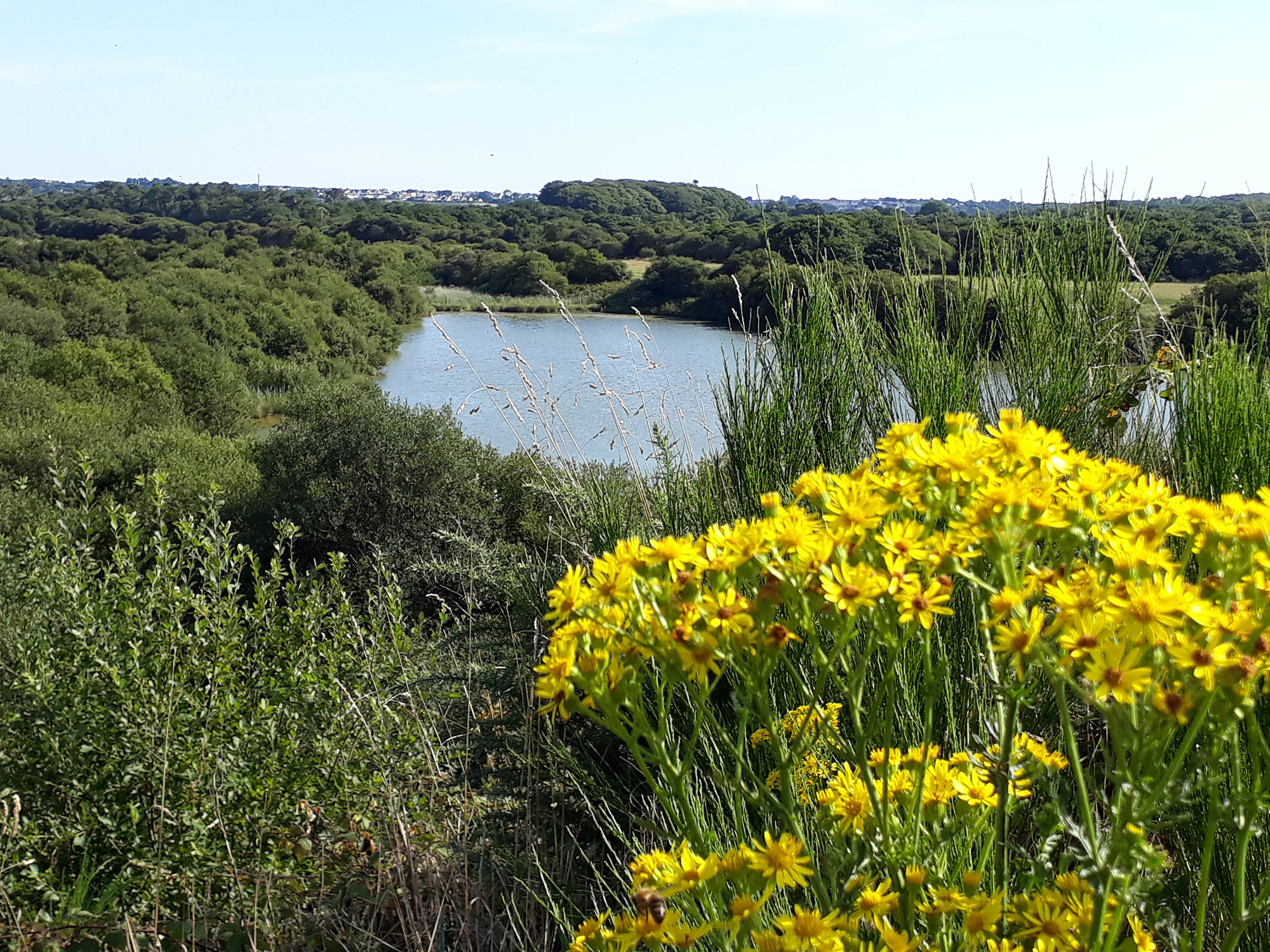
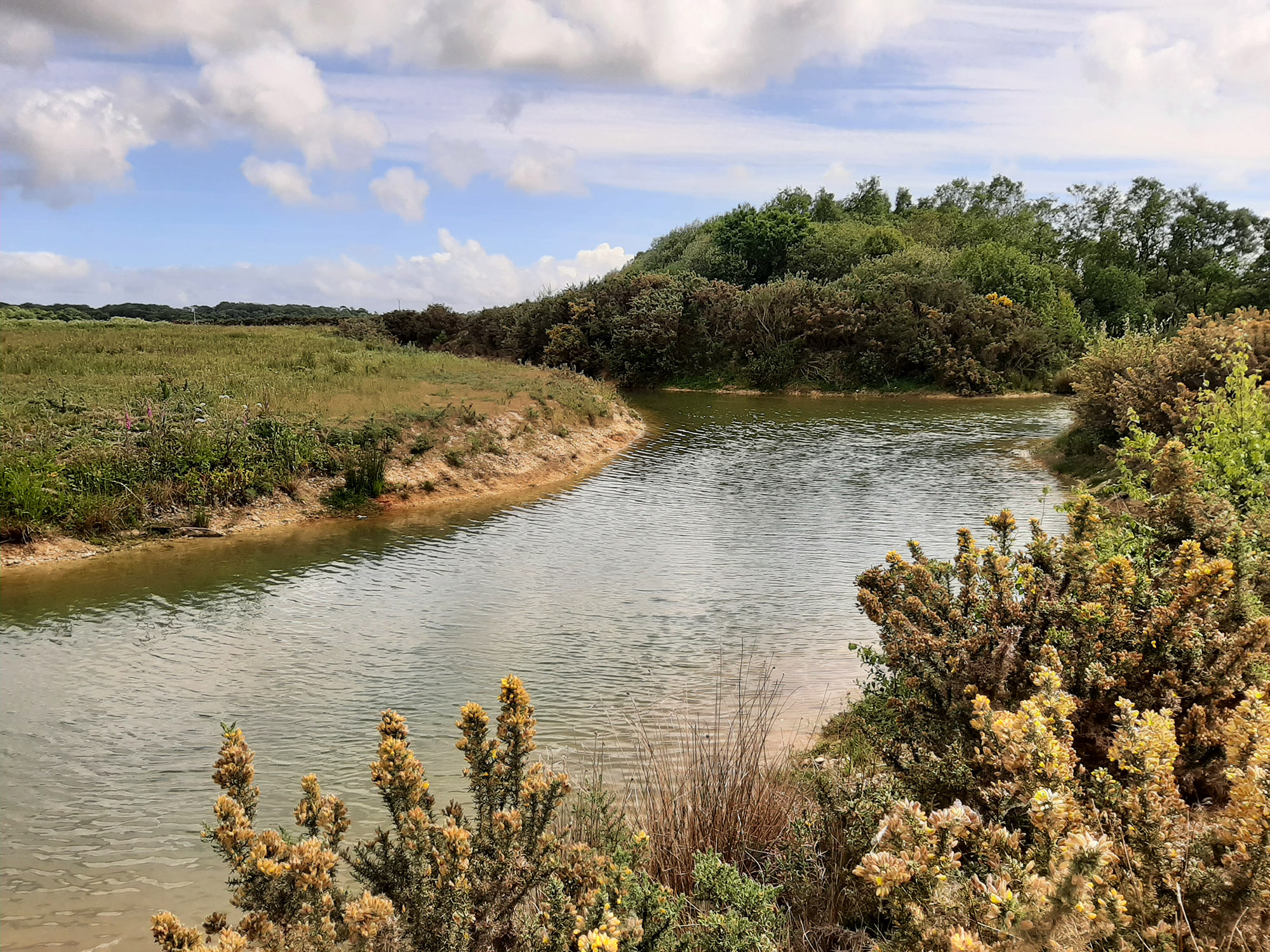
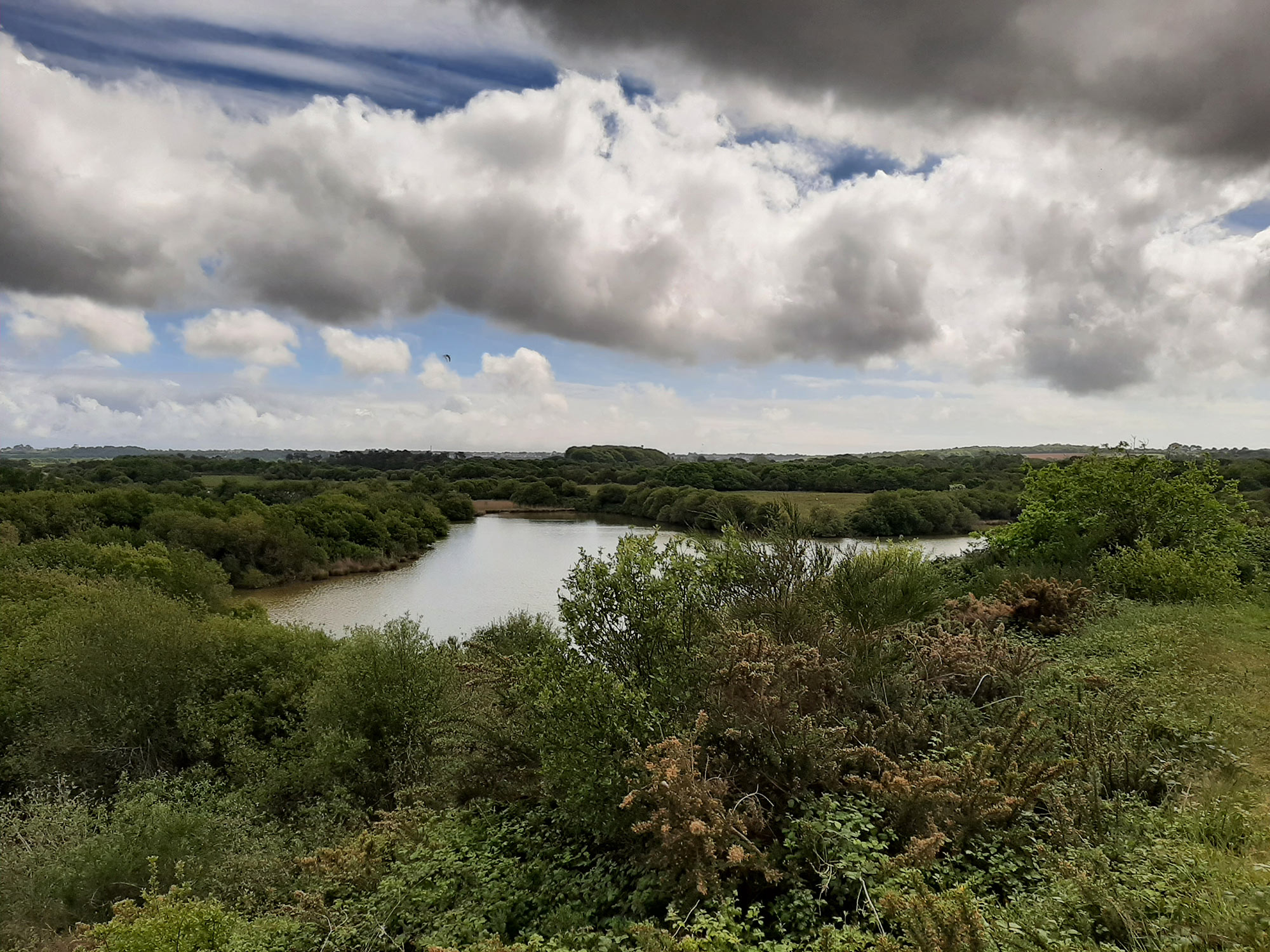
The chapel is located on the edge of a 127-hectare natural area, which now flourishes in a very different way from the quarrying industry that operated there for some forty years. A wonderful site in more ways than one!
The first thoughts on the future of the Bodonou site date back to the 1990s. At the time, the aim was to restore the site environmentally and create as diverse a natural area as possible.
The northern sector of the site offers direct contact with nature. The heart of the site is a fragile and sensitive area that must be protected from visitors. It is therefore only visible from the paths and the belvedere. Since 2024, visitors have been able to walk all the way around the natural area. The path is dotted with landscape viewpoints that allow visitors to immerse themselves in the area while respecting its biodiversity. Along the way, walkers will discover contrasting atmospheres and landscapes, and a unique discovery trail.
Enjoy the 8km of paths open all year round to immerse yourself in this exceptional natural site!
animal species
plant species
kilometers of path
La légende de Bodonoù
En ce temps là, la peste ravageait notre pauvre pays : les morts s’entassaient sur les morts, et les survivants, craignant la contagion, n’osaient les enterrer. De ce fait, tout commerce était suspendu, les marchés n’avaient plus lieu et les routes étaient désertes. Seuls quelques meuniers, ne connaissant que leur devoir, ou tentés par l’âpre désir du gain, continuaient leur travail d’aller chercher le grain à domicile et d’y apporter la farine… Un de ceux-ci, un jour, trouva sur sa route une belle dame, dont les petits souliers fins n’osaient braver la boue des chemins défoncés.
La belle dame I’interpella :
– Meunier, meunier, ne pourrais tu pas m’offrir une place sur tes sacs de grains ?
– A votre bon vouloir, ma belle dame ! Montez, montez mais où allez-vous ?
– Plus loin que tu ne vas toi-même, meunier. Mais je m’arrêterai là où tu t’arrêteras.
La belle dame monta et son poids sembla avoir allégé la charge du petit cheval qui trottait, trottait, comme un vrai bidet breton qu’il était. Et la conversation s’engage. La belle étrangère apprend I‘épidémie qui ravage le pays. Elle apprend que son conducteur, le meunier, a perdu sa femme et ses enfants de la terrible maladie, bref elle connaît dans tous ses détails la grande pitié de ce coin de Bretagne… Et elle s’apitoie.
Subitement à un endroit de la route, le plus défoncé et le plus boueux, elle prie le meunier d’arrêter son cheval pour qu’elle descende….
– Mais, ma belle dame, nous ne sommes pas arrivés.
– Je veux descendre.
– Pas ici, voyons, vous enfonceriez dans la boue jusqu’aux genoux.
– Meunier, meunier, ne t’inquiète pas. Descends-moi.
Le meunier s’arrête. Alors la belle dame :
– Meunier, tu fus bon, et charitable. Pour te récompenser je te promets que la peste ne dépassera jamais cet endroit-ci. Et tu peux avoir confiance en moi : je suis Notre-Dame de Bodonoù !